AgroWaste Industry in Africa

Africa is entering a decisive decade defined by climate pressure, energy insecurity, and the urgent need for economic transformation. Yet, in the middle of these challenges lies one of the continent’s most overlooked assets: agricultural waste. Every year, Africa produces more than 500 million tons of agricultural residue; however, over 90 percent of it remains unused. This is not simply a missed opportunity; it is a structural blind spot that undermines environmental sustainability, economic growth, and rural livelihoods. At a time when global industries are racing to secure renewable feedstock and transition toward cleaner energy systems, Africa holds an extraordinary competitive advantage. The defining question is whether the continent can build the systems required to unlock it.
Africa’s Untapped Renewable Wealth – Why Agricultural Waste Is the Missing Piece in the Energy Transition
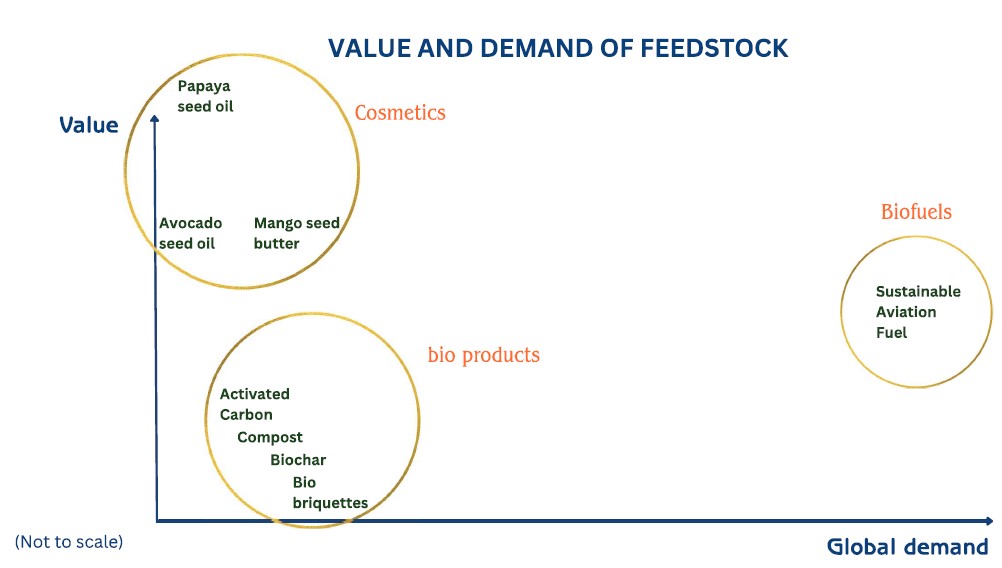
Agricultural residue is often treated as a nuisance, whether burned in open fields, left to decompose, or discarded without purpose. Yet this so-called “waste” is one of the most abundant renewable resources Africa possesses. It encompasses a vast array of materials, including crop residues such as rice straw, corn stover, and wheat straw; agro-industrial byproducts such as sugarcane bagasse and rice husk; and food waste from fruits, vegetables, and grains. In a world shifting toward circularity and low-carbon solutions, these materials represent a strategic resource. They can be transformed into bioenergy, animal feed, compost, biochar, briquettes, cosmetics ingredients, and even sustainable aviation fuel. The global demand for these products is rising sharply, and Africa is uniquely positioned to supply them, provided it can organize its feedstock ecosystem.
The Hidden Costs of Waste – How Underutilized Residue Damages Economies, Communities, and the Environment
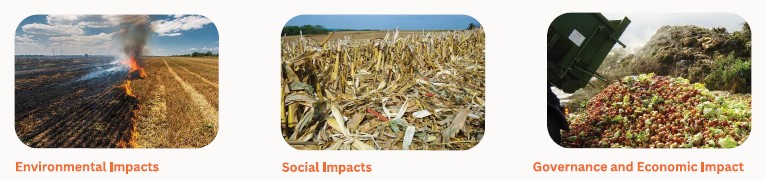
The consequences of underutilized agricultural residue extend far beyond the loss of economic value. When residue is burned, it releases significant amounts of carbon dioxide, accounting for approximately 1.5 tons of CO₂ for every ton of residue burned. This practice also degrades soil quality by stripping away organic matter and essential nutrients, thereby reducing long-term agricultural productivity. The social costs are equally severe. Farmers lose potential income streams that could strengthen rural economies, while communities face increased respiratory illnesses due to air pollution. Furthermore, governments and corporations struggle to meet sustainability targets because they lack access to certified, traceable feedstock. What appears to be a simple waste-management issue is, in reality, a complex economic and environmental challenge.
Opportunity Hiding in Plain Sight Across the Continent
About the Authors
Co-Founder and CEO of AfriSAF—enabling and developing a biofuel and SAF ecosystem across Africa—as well as a member of the Columbia University Africa Alumni group.